
Why Excel

Dentures

A convenient tooth replacement option

A convenient tooth replacement option

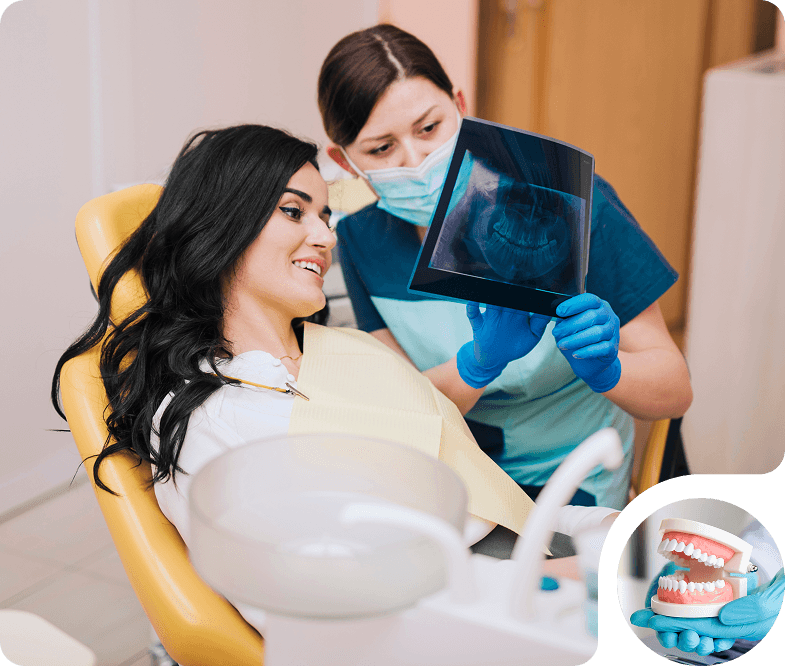
Dentures aren’t just about restoring your missing teeth; they’re also essential for maintaining your oral health. By choosing full or partial dentures, you’re making a smart choice to reduce the risk of gum and bone diseases. Not only that, but dentures also have the added benefit of making you look younger.

If you’re dealing with multiple missing teeth, full or partial dentures are an excellent treatment option to explore.

Fast and Budget-Friendly Tooth Replacement

Dentures are a remarkable solution to bring back the function and appearance of your teeth, especially after experiencing tooth loss. By choosing full or partial dentures, you’re not only enhancing your smile but also taking a significant step to improve your oral health and overall quality of life.

Partial dentures, also known as bridges, can be either removable or fixed. They are expertly designed to seamlessly fill the gaps left by missing teeth, ensuring you can smile and eat with ease.

Full or complete dentures, on the other hand, replace your entire upper or lower set of teeth. These custom-made dentures sit comfortably on your bone and gum tissue, held securely in place by a combination of natural pressure and dental adhesive.


When You Should Think About Dentures for Tooth Replacement

  • When mealtimes become a challenge due to eating and chewing difficulties
  • When you struggle with word pronunciation in conversations.
  • When you want to prevent your facial muscles from sagging.
  • When you are looking to enhance and bring back your beautiful smile.


Swift Tooth Replacement with No Long Waits

Caring for your dentures is as simple as caring for your natural teeth.

  • Keep your smile stain-free and your breath fresh.
  • Opt for a gentle toothbrush in your daily oral care routine.
  • Maintain denture appearance: soak to remove stains.
  • Keep them in water when you’re not using them.
  • Ensure good gum health by removing them at night.
  • Maintain a comfortable fit by scheduling a routine Dental checkup.
FAQs

Everything you need to know about dental care

Find quick answers to common questions about our dental services, procedures, and patient care in our FAQ section.

Dentures are custom-made removable or fixed appliances that replace missing teeth and restore your ability to eat, speak, and smile confidently.

You may need dentures if you:

  • Have multiple missing teeth due to decay, gum disease, or injury
  • Experience difficulty chewing or speaking because of tooth loss
  • Want to prevent facial sagging caused by missing teeth

Full (complete) dentures replace an entire upper or lower set of teeth. They sit directly on your gum and bone tissue, held in place by natural suction and dental adhesive.

Partial dentures — also called bridges — fill in the gaps left by only some missing teeth and can be either removable or fixed. At Excel Dental, your dentist will evaluate your situation and recommend the best type for your needs.

Common indicators include:

  • Difficulty chewing or biting foods you used to enjoy
  • Slurred speech or trouble pronouncing certain words
  • Noticeable facial muscle sagging or a sunken appearance around the mouth
  • Multiple severely decayed, cracked, or missing teeth
  • Persistent gum pain or loose teeth that can no longer be saved

With proper care, dentures typically last 5 to 10 years before they need to be relined, rebased, or replaced. Over time, your jawbone and gum shape naturally change, causing dentures to loosen and fit differently.

Yes, but there is an adjustment period. Start with soft foods cut into small pieces and chew slowly on both sides. Over time, most patients can eat a wide variety of foods. Avoid very hard, sticky, or chewy foods that can dislodge or damage your dentures.

Proper denture care is simple and similar to caring for natural teeth:

  • Brush daily with a soft-bristled brush to remove food particles and plaque
  • Soak dentures in water or a denture-cleaning solution when not in use
  • Remove them at night to allow your gum tissue to rest and breathe
  • Avoid hot water—it can warp the denture material

This is an important consideration. Traditional dentures sit on top of the gums and do not stimulate the jawbone the way natural tooth roots do. Over time, this leads to gradual bone resorption—the jawbone slowly shrinks.

This is why dentures may need to be relined or replaced over the years. If long-term bone preservation is a priority, we can discuss implant-supported dentures as an alternative.

Implant-supported dentures are anchored to dental implants surgically placed in the jawbone, providing significantly more stability than traditional dentures.

Key differences:

  • Traditional dentures: Removable, held by suction/adhesive, may shift while eating or speaking
  • Implant-supported dentures: Anchored firmly, preserve jawbone, feel closest to natural teeth They are more expensive upfront but offer superior long-term comfort and oral health benefits.

Many dental insurance plans, including MassHealth, provide some coverage for dentures as a tooth replacement option. Coverage varies based on your specific plan — whether it covers full, partial, or implant-supported dentures.

Don’t have insurance? Excel Dental’s team can also discuss flexible payment options to make your care affordable. Visit ourexceldental.com/patients for more information. Contact your nearest Excel Dental location to verify your benefits before your appointment.

It is generally not recommended to sleep with dentures in. Removing them at night gives your gum tissue time to rest, reduces the risk of bacterial buildup, and helps maintain healthier gums. Always store them in water or a denture solution overnight.

Excel Dental provides full and partial denture services at 9 convenient locations across Massachusetts: Lowell, Lowell (Bridge St.), Billerica, Methuen, Haverhill, Everett, Chelsea, Lynn, and Revere. Open late hours and on Saturdays for your convenience.