Why Excel

Extractions

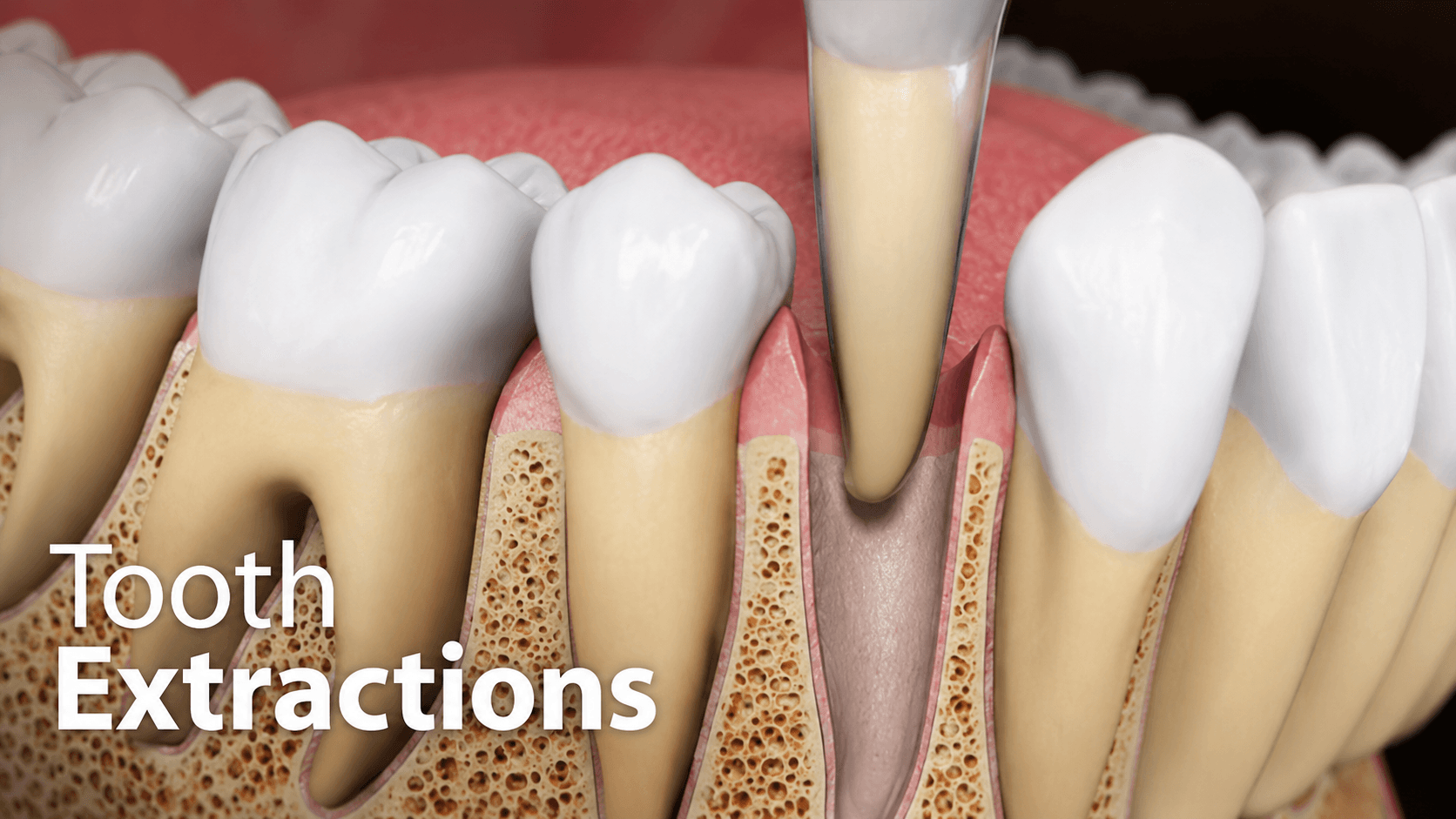
Dental extractions are a common solution when a tooth fails to develop or emerge properly. This procedure is necessary at times to ensure the safety of your other healthy teeth. Wisdom teeth are frequently the target of extractions, but crooked, crowded, broken, decayed, or misaligned teeth can also require removal.

When a tooth develops at an odd angle or emerges crooked, it can harm the adjacent teeth. An extraction helps create space for your healthy teeth to grow and maintain proper alignment. It’s important to note that dental extraction is a form of oral surgery. Depending on your tooth’s condition, it can be completed in just a few minutes.

During the procedure, you’ll receive local anesthesia.

After your extraction, a healing period is necessary. You’ll receive guidance on further dental treatment to address the gap left by the missing tooth and to maintain the health of your surrounding teeth and gums.

FAQs

Everything you need to know about dental care

Find quick answers to common questions about our dental services, procedures, and patient care in our FAQ section.

A dental extraction is the safe removal of a tooth that is too damaged, decayed, crowded, or misaligned to be saved or that is affecting surrounding healthy teeth.

  • Severe tooth decay or damage beyond repair
  • Wisdom teeth causing crowding or pain
  • Crooked or misaligned teeth harming adjacent teeth
  • Broken teeth that cannot be restored
  • Before orthodontic treatment to create space
  • Infected teeth when root canal is not an option

No. Local anesthesia is used to numb the area completely. Sedation is also available for anxious patients. Most simple extractions take just a few minutes.

Simple extractions can be completed in just a few minutes. More complex surgical extractions (like impacted wisdom teeth) may take longer.

  • Some swelling and soreness for 2–3 days
  • Bite on gauze to control bleeding
  • Avoid smoking, straws, and hard foods
  • Take prescribed or over-the-counter pain relievers
  • Follow Excel Dental’s post-op instructions provided after the procedure

Not always, but wisdom teeth are frequently extracted when they:

  • Grow at an angle and damage nearby teeth
  • Are impacted (trapped under the gum)
  • Cause crowding or pain
  • Are difficult to clean, leading to decay

Excel Dental will discuss tooth replacement options, including:

  • Dental implants— the most natural-feeling, permanent option
  • Crowns & bridges— fixed replacement supported by adjacent teeth
  • Dentures— removable full or partial replacement

A root canal is preferred when the tooth can be saved. Extraction is the last resort. Keeping your natural tooth avoids bone loss, shifting teeth, and the cost of replacements.

Excel Dental performs extractions at all 9 Massachusetts locations. Lowell, Lowell (Bridge St.), Billerica, Methuen, Haverhill, Everett, Chelsea, Lynn, and Revere. Emergency extractions are also welcome — open late and on Saturdays.

Yes, Excel Dental is in-network with the majority of dental PPO insurance plans and accepts MassHealth (Medicaid)

Here’s what to do:

  • Call your nearest Excel Dental location and provide your insurance details
  • Our team will verify your coverage before your appointment
  • We’ll walk you through what is and isn’t covered under your plan

Don’t have insurance? Excel Dental’s team can also discuss flexible payment options to make your care affordable. Visit ourexceldental.com/patients for more information.

At Excel Dental, your first visit includes:

  • A full dental examination and X-rays
  • Review of your medical and dental history
  • Assessment of your teeth, gums, and bite
  • A personalized treatment plan based on your needs
  • A chance to ask questions and discuss your smile goals

Excel Dental welcomes dental emergencies—no need to panic or visit an ER.

We treat:

  • Severe toothaches
  • Chipped, cracked, or knocked-out teeth
  • Lost crowns or fillings
  • Swelling or dental abscess
  • Mouth injuries